
For a life sciences company, technology extends well beyond the systems managed by corporate IT. Employees may rely on Microsoft 365, identity platforms, devices, collaboration tools, and corporate applications every day. At the same time, clinical operations may depend on CROs and specialized platforms, regulatory teams may use submission and document-management systems, quality teams may work with eQMS platforms, and laboratories may rely on LIMS, ELN, genomics providers, and other specialized technologies.
These systems rarely share a single owner, yet all of them touch the same organization, the same data, and often the same risk. Treating corporate IT as separate from clinical, regulatory, and scientific technology misses the larger point: oversight has to travel with the data, not stop at a departmental line.
Corporate IT in a Connected Ecosystem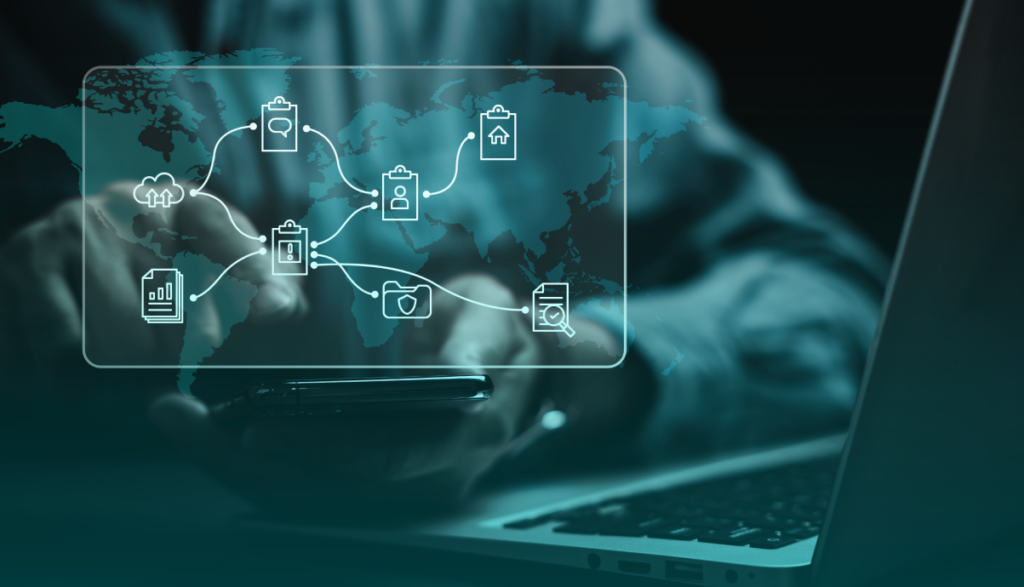
Clinical trials alone can involve EDC, CTMS, eTMF, IRT/RTSM, and eCOA platforms. Regulatory and quality functions add submission systems, document management, eQMS, training platforms, and validation consultants. Scientific operations bring central laboratories, LIMS, ELN, and genomics providers into the environment, while manufacturing depends on CDMOs, packaging, labeling, and supply-chain partners.
Managing every one of these platforms directly is rarely realistic, and it isn’t the goal. What matters is understanding how each system connects to the organization’s broader technology and security environment: who owns it, who can access it, and how responsibility is coordinated when something changes.
Visibility, Ownership, and Access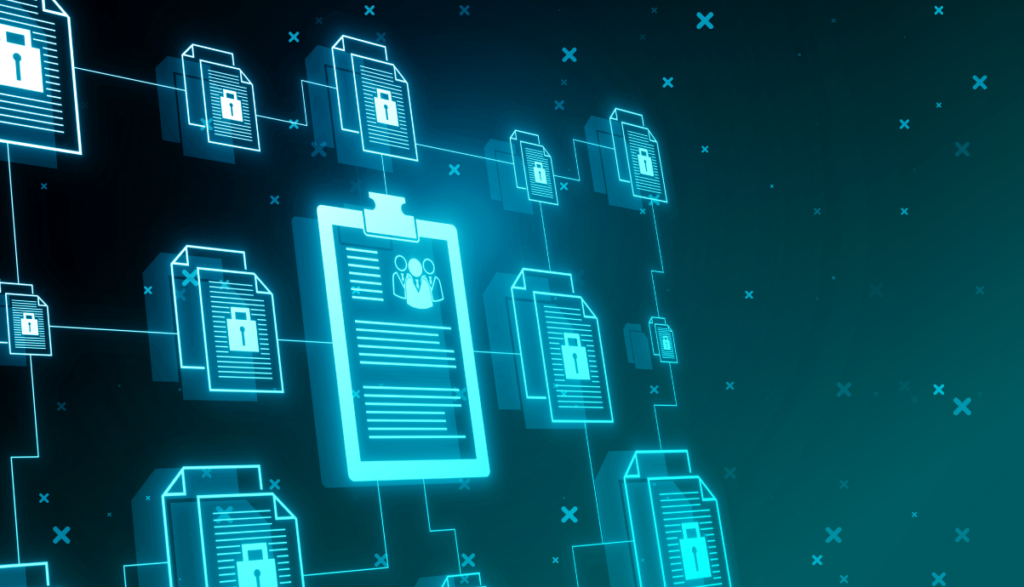
The more important question is rarely who manages a given system. It’s whether responsibility for that system is clearly defined. Ownership needs a clear answer for every platform: who owns it, who approves access, who administers the accounts, and who steps in when an employee or vendor relationship ends. It also means knowing which vendors can see company data, how information moves, and who responds when something goes wrong.
These answers matter most when sensitive research, clinical, regulatory, or business information crosses between organizations. A secure corporate environment can still be compromised through a mismanaged account, an unmonitored connection, or an unclear third-party relationship.
The Role of Corporate IT
Corporate IT provides the operational foundation connecting employees, business functions, and the wider technology ecosystem. That foundation includes Microsoft 365, identity and access management, endpoint security, onboarding and offboarding, backup, and the other core services that keep the organization running day to day.
Strong IT management also coordinates technology needs across HR, finance, legal, investor relations, board advisers, facilities, and specialized life-sciences vendors. This coordination creates clear ownership, appropriate access, defined security responsibilities, and consistent processes across the organization. Technology governance extends that role further, maintaining visibility across internal and external systems and clarifying who owns what, who can access it, how information moves, and where escalation paths lead.
This governance role does not stop where direct control ends. A CRO may run a clinical platform, a laboratory may operate its own systems, or a CDMO may manage manufacturing technology, and overseeing those relationships does not mean taking ownership of every one of them. Our focus stays on how each system fits into the broader environment, where sensitive information moves, and what happens when relationships change.
A More Connected Approach to Life Sciences IT
Life sciences organizations operate inside complex technology ecosystems that extend well past the corporate network. Managing that environment well takes more than maintaining internal systems. It takes coordination across internal teams and external partners, with ownership and security controls that hold up under scrutiny.
New England Innovations builds that coordination into everything we do. Our approach brings together day-to-day IT operations, cybersecurity and resilience, governance, and strategic technology management, all shaped around the specialized systems and outside relationships that define a life sciences organization.


0 Comments